Eminent Domain
The cornerstone of Holley Law’s practice is its eminent domain work in Ohio and Kentucky. With our directed focus in this area, we have a deep understanding of the intricacies of the complex patchwork of laws governing property rights, land acquisition, and compensation.
Holley Law emphasizes the importance of being fully prepared to go to trial in eminent domain cases. This ensures property owners’ rights are protected and the government’s taking power is held in check. Up against powerful condemning authorities, property owners need and deserve a strong advocate willing to challenge unjust actions or inadequate compensation offers.
By preparing every case as if it will go to trial, Holley Law strengthens its negotiation position and demonstrates its commitment to achieving fair outcomes for its clients. This thorough preparation includes conducting in-depth legal research, gathering expert testimony, and building a robust case to present in court if necessary.

Inverse Condemnation
Even in the absence of the formal exercise of eminent domain power, when government action damages or devalues private property, affected property owners have the right to pursue compensation through what is known as an “inverse condemnation” claim.
In inverse condemnation actions, the property owner seeks to compel the governmental entity to initiate appropriation proceedings. If successful, this triggers the obligation to pay just compensation.
Inverse condemnation cases are often complex and require sophisticated legal representation to establish both the taking and proper compensation.
Common Scenarios
Inverse condemnation claims arise from various government actions, often including:
Flooding or water damage
This can be caused by government projects, such as poorly planned drainage systems, road construction, or other activities that repeatedly cause flooding to private property.
Regulatory takings
Zoning changes or other regulatory actions that severely restrict how an owner can use its land.
Noise, pollution, or other nuisances
This can be caused by nearby infrastructure projects, such as highways, airports, or railways, particularly where the nuisance negatively impacts the property or limits its use.
Loss of Access or visibility
Every Inverse Condemnation Case Is Unique
Inverse condemnation claims are highly fact-specific. The complex interplay between government actions, property rights, and impact requires a deep analysis of each property’s unique circumstances.
If you believe government action has impacted your property, contact Holley Law to thoroughly assess your potential case.
Zoning and Eminent Domain
At Holley Law, our experience is not limited to eminent domain alone—we also have considerable experience in and familiarity with zoning law.
Zoning laws can drastically impact property value. Understanding the nuances of zoning law gives us an edge when it comes time to negotiate or go to court in an eminent domain case, because it enables us to establish the complete picture of a property’s worth.
Complex Real Estate Litigation
Eminent domain cases often lead to offshoot legal disputes between landlord and tenant, bank and mortgager, franchisor and franchisee, and adjacent property owners.
By virtue of Sophia Holley’s background as a partner in the litigation and real estate practice groups of one of the region’s largest law firms, Holley Law is well-equipped to handle these ancillary cases.
Sophia’s experience spans the full panoply of routine and complex real estate litigation matters, including easements, boundary disputes, zoning, land use, restrictive covenants, purchase and sale disputes, commercial landlord/tenant disputes, quiet title actions, adverse possession, and cases involving real estate developments.
1983 Takings Claims
42 U.S.C. § 1983 is a federal statute that protects property owners from government actions that violate their constitutional rights.
§ 1983 claims can apply to a variety of claims, including matters relating to unconstitutional zoning restrictions, equal protection, and even claims relating to religious freedom under the Religious Land Use and Institutionalized Persons Act (RLUIPA).

Property Types
Every different type of property presents its own nuances in eminent domain cases. Holley Law’s breadth and depth of experience litigating eminent domain matters ensures that property owners of all types—residential, commercial, agricultural, and industrial—receive just compensation. No stone is left unturned (even if the property contains no stones!).
Residential Properties
No homeowner wants their property taken by eminent domain. While typically more straightforward than cases involving commercial, agricultural, or industrial properties, homeowner representation requires specialized attention.
Commercial Properties
Commercial properties bring unique complexities due to the numerous diverse types of properties comprising this broad category. The valuation might include aspects such as visibility, access, and impact on the site after the take. For different types of commercial properties, read more below.
Agricultural Properties
Eminent domain cases involving farmland or rural property require careful consideration of the land’s agricultural productivity and the possibility for future development.
Industrial or Special Use Properties
Properties like factories, warehouses, or special use sites present complex valuation issues due to their unique industry or company-specific features.
Specific Uses
Big Box Stores
Big box stores rely on expansive footprints, specific layouts, zoning compliance, and prime locations. Eminent domain appropriations can be massively disruptive—not only due to the diminished value of the land, but due to the impact on site functionality.
Cannabis Businesses
When cannabis businesses are subject to eminent domain, relocating to a comparable site that meets Ohio’s strict cannabis licensing and zoning requirements can be challenging or even impossible. Sophia Holley has considerable experience representing Ohio cannabis businesses in zoning matters. Her knowledge of the cannabis industry and eminent domain focus will be an asset to any Ohio cannabis business facing eminent domain. You worked hard to secure licensing and zoning approval, and Holley Law will work just as hard to help you protect your investment.
Cemeteries
Many cemeteries are located in prime real estate areas with significant redevelopment potential, particularly those in urban or highly developed regions.
Holley Law meticulously considers the zoning laws and potential for rezoning or redevelopment in these prime locations to ensure that cemetery owners receive just compensation in eminent domain matters. This approach includes evaluating how the land could be developed, considering commercial applications or other future uses.
Churches, Synagogues, Mosques and Temples
Churches, temples, mosques, and synagogues are not only places of worship, but often serve as cultural and community hubs. Holley Law leverages vast experience in eminent domain and zoning matters to ensure that religious property owners receive just compensation.
Holley Law is also well-versed in the Religious Land Use and Institutionalized Persons Act (RLUIPA), a federal law that protects religious institutions from land use regulations that burden their exercise of religion, which sometimes comes into play in eminent domain actions impacting religious properties.
Convenience Stores
Convenience stores are reliant on location, visibility, traffic patterns, and customer convenience. When a convenience store is targeted for eminent domain, such as for highway expansion or redevelopment, relocating often imposes a devastating financial impact.
Developable Land
Developable land often carries value far beyond its current use, especially in areas poised for future residential, commercial, or industrial growth. Holley Law partners with land use professionals to establish the highest and best use of developable land for purposes of determining appropriate compensation.
Farm & Agricultural
Agricultural land often represents more than just property; it is a livelihood cultivated over generations. Holley Law is dedicated to protecting the rights of farmers and agricultural landowners facing eminent domain.
Farmers and landowners are entitled to fair compensation that reflects not only the current value of their land but also future development rights. By navigating zoning laws, future land-use considerations, and the potential for redevelopment, Holley Law ensures just compensation for farmers and agricultural landowners.
Fuel Stations
Fuel stations present unique circumstances in eminent domain cases due to their reliance on high-traffic locations, specialized infrastructure such as underground storage tanks, and environmental regulations. Relocating or re-establishing a fuel station can be costly and complex, requiring not only construction but also permits and regulatory approvals.
Industrial Properties
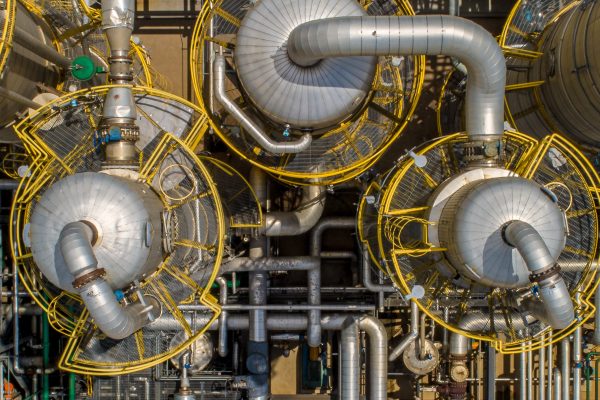
Takings of industrial properties present challenges due to location, infrastructure, and zoning laws that are unique to the property. Frequently, industrial properties enjoy legitimate non-conforming uses that are difficult, if not impossible, to replicate at a separate location.
Holley Law ensures that industrial property owners receive just compensation in eminent domain matters.
Manufactured Housing Communities
Manufactured housing, i.e., mobile home parks, provide housing and community to many individuals and families. Holley Law understands the unique zoning and land use considerations that are often critical to manufactured housing communities.
Mixed-Use Properties
Mixed-use properties present unique considerations in eminent domain actions due to their diverse uses and the interdependence of different tenant types.
The value of a mixed-use property extends beyond its land and structures, as it involves the integration of multiple revenue streams, tenant relationships, and community dynamics.
Holley Law understands the complexities of appropriating mixed-use properties and ensures that all aspects of the property’s value are considered, including its potential for future development. This allows for just compensation for mixed-use property owners.
Multi-Family Properties
Holley Law understands the complexities presented by multi-family properties in eminent domain cases. Eminent domain actions may impact multiple tenants, long-term lease agreements, and community amenities.
Office Buildings
As with shopping centers, disruptions to office buildings due to eminent domain often impact tenants, long-term lease agreements, and future marketability, leading to diminished property value.
Quick-Service Restaurants
The success of a quick-service restaurant (“QSR”) largely hinges on its location, accessibility, zoning, availability of parking, and site functionality.
When facing eminent domain, the loss of even a small portion of property can render a QSR non-conforming under zoning laws—a loss in value almost never addressed by the appropriating authority.
Holley Law has particular experience representing QSRs in eminent domain and land use litigation, and has represented several of the world’s largest QSRs in Ohio and Kentucky courts.
Self-Storage Facilities
Self-storage facilities not only rely heavily on location, visibility, and ease of access, but they also have contractual obligations to their customers. Holley Law is adept at navigating the complexities of eminent domain actions affecting self-storage facilities, ensuring that self-storage facility owners receive just compensation.
Shopping Centers
The appropriation of land forming part of a shopping center often leads to a decrease in tenant occupancy due to spatial limitations and lease provisions permitting termination in the event of a government taking.
Small Businesses
Eminent domain actions can be particularly devastating or even fatal to a small business. Holley Law works closely with small business owners to navigate the complexities of eminent domain and obtain just compensation.
Special Use Properties
Special use properties, which include certain schools, hospitals, and sports facilities, require unique considerations in eminent domain matters due to their highly specialized nature, design, and operational requirements.
In eminent domain actions involving special use properties, Holley Law works closely with land use professionals to ensure that all relevant factors—such as the cost of replicating custom-built facilities, meeting zoning and regulatory requirements, and minimizing operational disruption—are considered, in order to achieve just compensation.
Types of Government Takings
Access Taking
Loss of access can significantly diminish a property’s value and hinder its current and future use. Holley Law works with land use professionals to establish how the loss of access affects the property’s functionality and market value to ensure property owners secure just compensation.
Air Rights Takings
Air rights, which refer to the space above a property that can be developed or used, are particularly valuable in urban areas where vertical development potential is a key asset. When the government or other entities seize or restrict air rights for public projects—such as elevated highways, bridges, or infrastructure expansions—property owners can be deprived of development potential and income opportunities.
Holley Law works closely with real estate professionals to thoroughly assess the impact of air rights takings on a property’s value in order to secure just compensation.
Airport Project Takings
Airport expansions or new construction often result in partial takings, loss of access, or increased noise and environmental disruptions that diminish property values. Holley Law assists property owners in eminent domain matters involving airport projects.
Holley Law works with land use professionals to evaluate the full impact of the airport project on the property, including both the immediate loss and long-term effects, such as noise pollution or height restrictions.
Easement Takings
Easements, commonly taken for utilities, pipelines, and infrastructure projects, may prevent property owners from developing or fully utilizing their land, reducing property value and functionality. Holley Law understands the complexities involved in easement takings and partners with land use professionals to evaluate the full impact and secure just compensation.
Federal Takings
Holley Law assists property owners faced with federal eminent domain takings. Federal takings can occur for large infrastructure projects, such as highways, military installations, or national parks. Holley Law is vastly experienced in both eminent domain and federal court litigation.
Fee Takings
Fee simple ownership is the most complete and absolute form of property ownership, giving the owner full rights to the land and any structures on it. When the government takes property in fee simple, it is taking all the landowner’s rights and must pay just compensation.
Holley Law works closely with a network of land use professionals to ensure that property is thoroughly valued in eminent domain cases in order to obtain just compensation.
Mineral Rights Takings
Mineral rights, separate from surface rights, can hold significant financial value. When the government or other entities seek to take or restrict these rights for public projects, property owners stand to lose not only the immediate value of the minerals but also potential long-term profits. Holley Law works with geologists, appraisers, and industry experts where necessary to accurately assess the value of the mineral rights and their impact on the property’s overall worth to secure just compensation.
Partial Takings
A partial taking in an eminent domain action occurs when only part of a property is seized for public use, leaving the remainder with the owner. While the government may not take the entire property, partial takings can nonetheless have a substantial impact on the value and utility of the remaining land.
Losing part of a property can disrupt access, reduce visibility, and limit the land’s functionality for its intended use, all of which decrease its market value. Additionally, the loss of critical infrastructure or landscaping, such as parking spaces, driveways, or drainage systems, can disrupt business operations.
Pipeline Takings
Property can be taken through eminent domain for pipeline projects when the pipeline is deemed necessary for a public purpose, such as transporting oil, gas, or water. Pipeline companies are granted the authority to acquire private land or easements under state eminent domain laws but must pay property owners just compensation.
Riparian (Water) Takings
Riparian rights, which include the use and enjoyment of water access, can significantly enhance a property’s value. When these rights are taken or restricted by government action, the loss can severely impact the property’s utility and marketability.
Regulatory Takings
Regulatory takings occur when the government imposes restrictions on properties so onerous that they amount to a taking. Holley Law advocates for property owners in these situations, challenging unjust regulations and seeking fair compensation when government actions go too far.
Temporary Takings
Temporary takings, often for construction projects or public improvements, can disrupt business operations, limit access, and reduce the property’s utility. Holley Law works with appraisers to determine the full scope of these impacts, including diminished property value during the temporary period.
Viewshed Takings
Viewshed rights may be implicated in eminent domain matters. In such cases, the loss of a property’s visual appeal—whether overlooking natural landscapes, city skylines, or waterfronts—can impact value. Holley Law works with appraisers and land use experts where appropriate to evaluate the financial impact of viewshed changes to a property.
Utility Company Appropriations
Under Ohio and Kentucky law, to take private property, utility companies such as power, gas and water companies must demonstrate the necessity of the taking and pay just compensation to the owner, in addition to following statutory requirements. Holley Law leverages its experience in eminent domain law to challenge unfair takings and obtain just compensation for property owners facing utility company takings.